Whales, dolphins and porpoises
Cetaceans are a diverse group of 94 species of whales, dolphins and porpoises, all of which are marine mammals.
Whales tend to be larger, dolphins to have elongated beaks and curved dorsal fins, while porpoises are usually smaller, with blunt snouts and spade-shaped teeth.
There are 43 species of whales - 43 which have baleen plates to filter krill, plankton and small fish whilst 28 have teeth and often use echolocation to hunt prey like fish and squid.
Like all mammals, cetaceans breathe air using lungs, are warm-blooded, give birth to live young, feed their calves with milk, and have small amounts of hair during part of their life cycle.
Despite spending their entire lives in water, they must regularly surface to breathe, making them one of the most remarkable groups of mammals on Earth.
The biggest
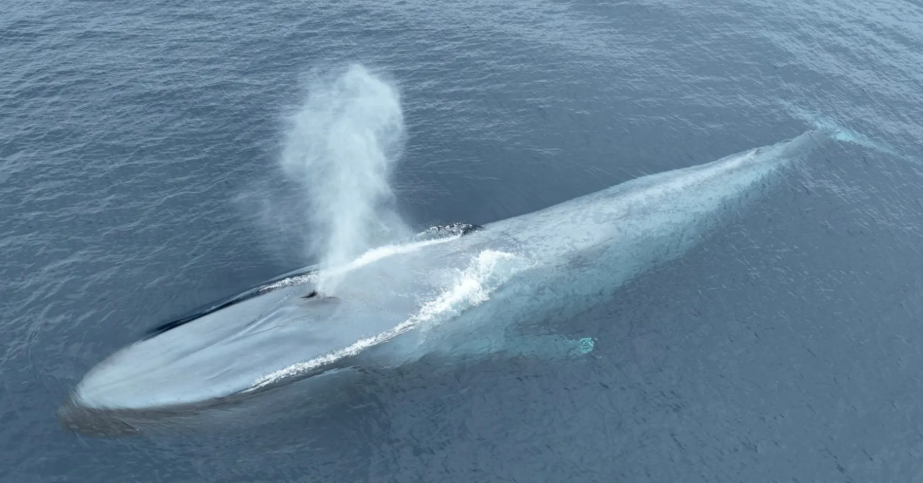
The blue whale (Balaenoptera musculus) is the largest animal ever known to have lived on Earth, surpassing even the biggest dinosaurs. Adults can grow to over 30 metres (100 feet) in length and weigh more than 180 tonnes. To support such an enormous body, the blue whale also has the largest heart of any animal, weighing around 180 kg (400 lb)—about the size of a small car. Its heart pumps hundreds of litres of blood with every beat, supplying oxygen throughout its vast body and enabling this gentle giant to undertake some of the longest migrations on Earth.
Longest living
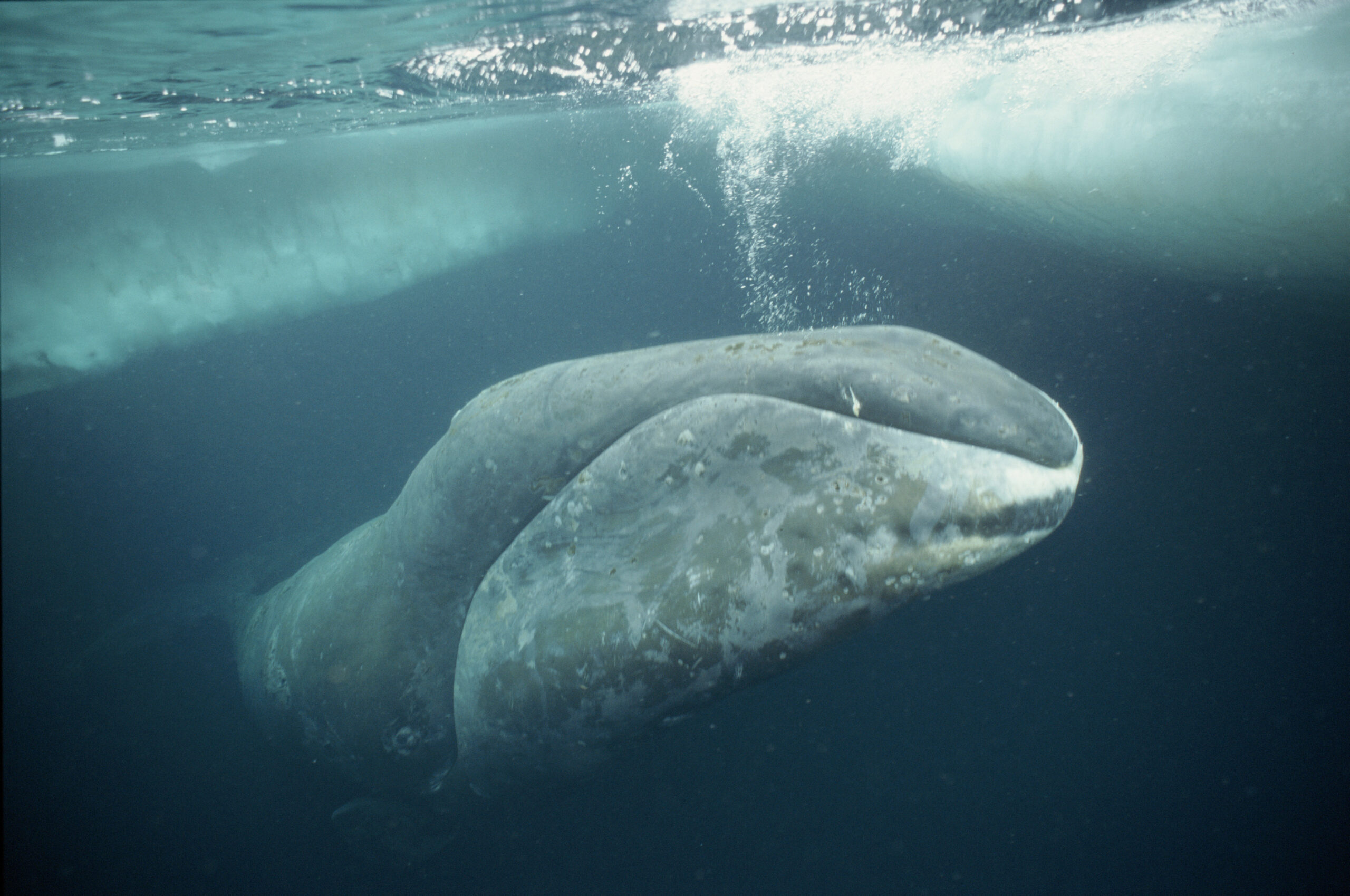
The bowhead whale (Balaena mysticetus) is the longest-lived mammal on Earth, with some individuals estimated to live for more than 200 years. Scientists have discovered ancient stone harpoon tips embedded in the blubber of living bowhead whales, providing remarkable evidence of their exceptional longevity. Adapted to the icy waters of the Arctic, bowhead whales have evolved unique biological mechanisms that appear to slow ageing and reduce the risk of disease, making them one of nature's most extraordinary examples of a long-lived species.
Deepest diving
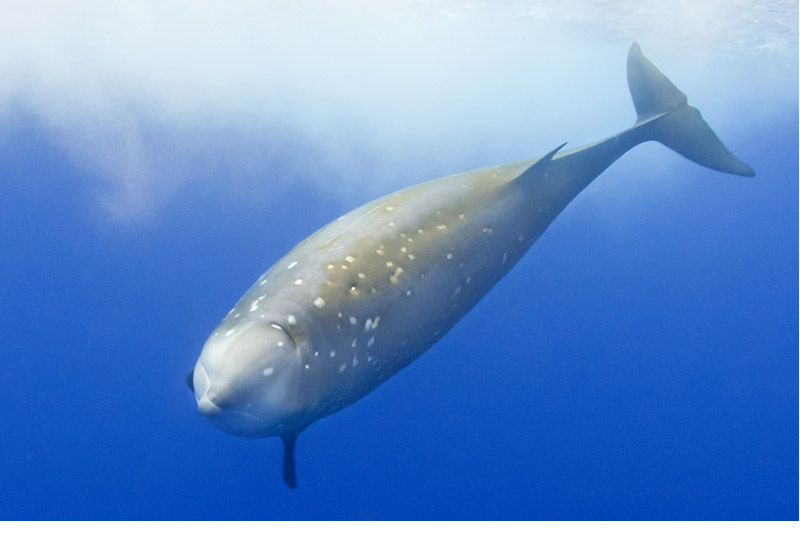
The Cuvier's beaked whale (Ziphius cavirostris) is the deepest-diving mammal ever recorded. Individuals have been documented diving to nearly 3,000 metres (almost 10,000 feet) below the ocean's surface and can remain underwater for more than three hours on a single breath. These extraordinary dives allow them to hunt squid and deep-sea fish in the dark depths of the ocean, where few other mammals can survive, making them one of the most remarkable diving specialists on Earth.
Biggest brain
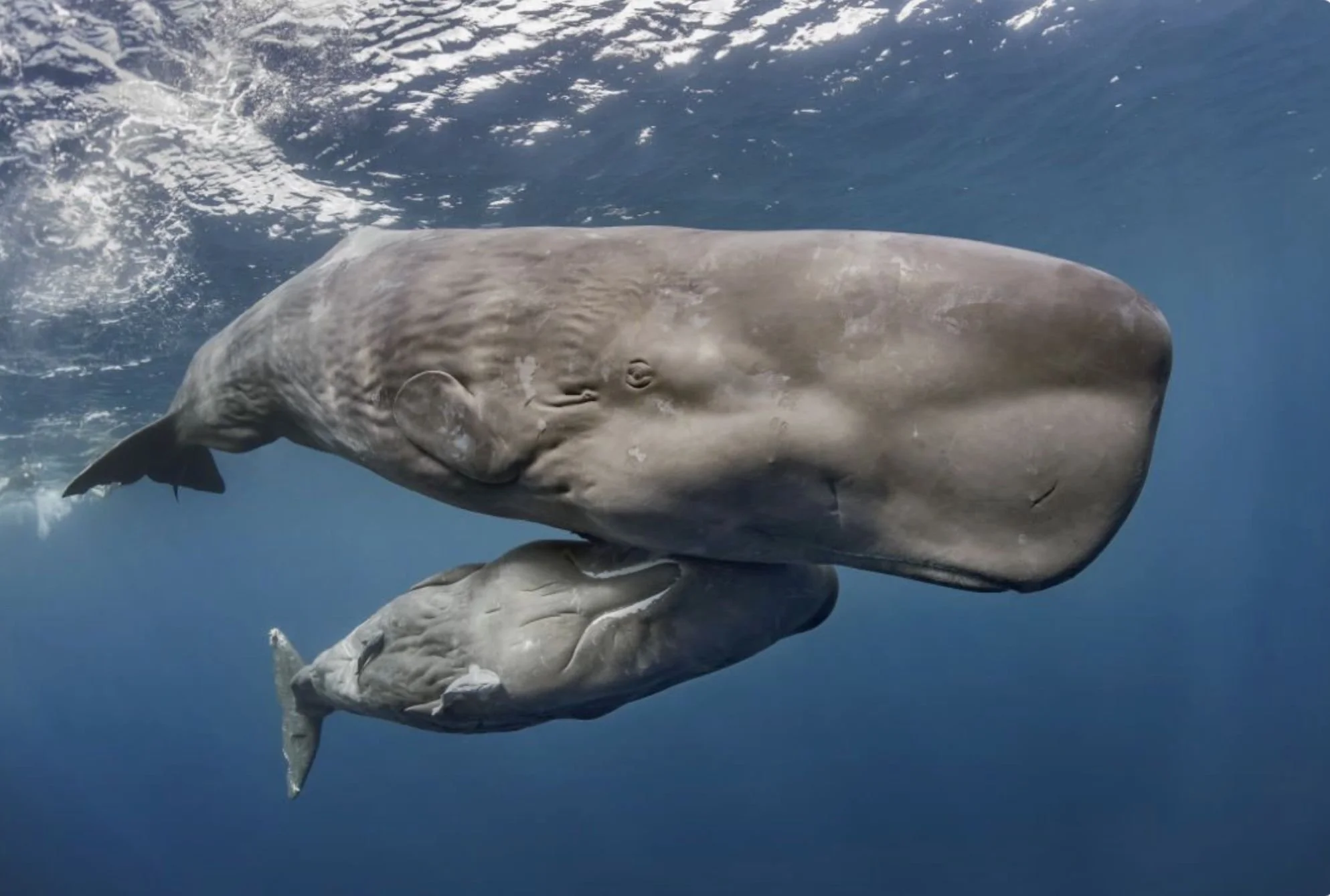
The sperm whale (Physeter macrocephalus) has the largest brain of any animal that has ever lived. An adult sperm whale's brain can weigh up to 9 kg (20 lb)—around six times heavier than the average human brain. While a larger brain does not necessarily mean greater intelligence, the sperm whale is a highly social species with sophisticated communication, strong family bonds and remarkable problem-solving abilities. It also undertakes some of the deepest dives of any whale, hunting squid in the dark depths of the ocean.
Longest tooth
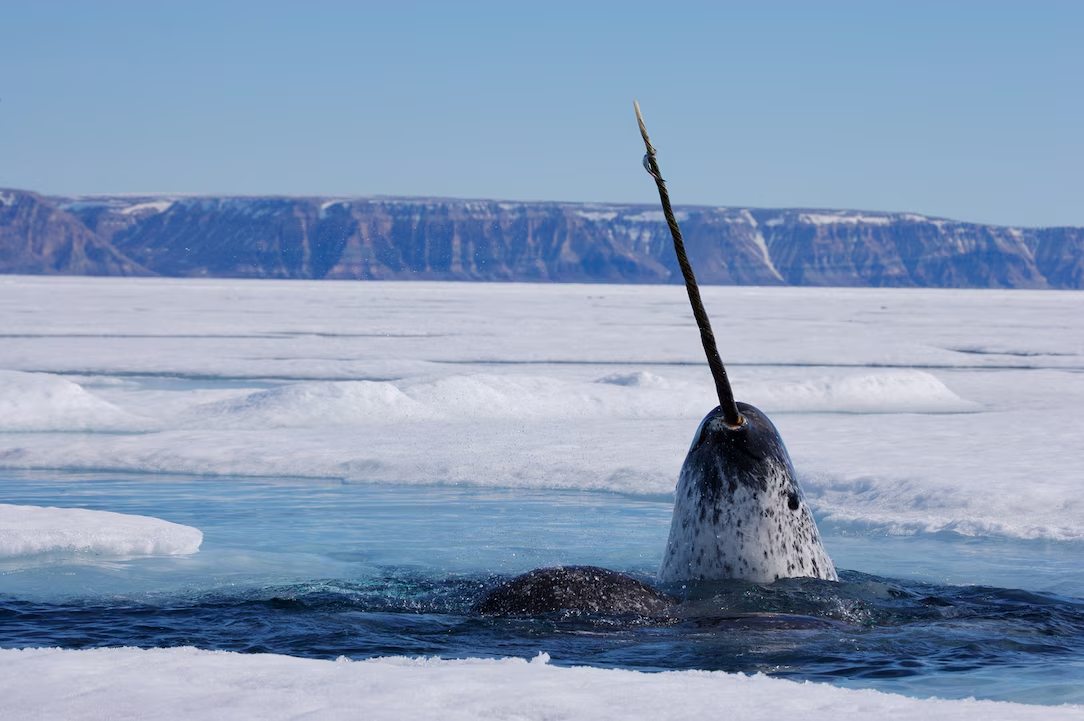
The narwhal (Monodon monoceros) is famous for having the longest tooth of any mammal. In males, the left canine tooth grows through the upper lip to form a spiral tusk that can reach 3 metres (10 feet) in length. Despite its appearance, the tusk is not a horn but a highly specialised tooth containing millions of nerve endings, allowing the narwhal to sense changes in its environment. Found only in the icy waters of the Arctic, this remarkable adaptation has earned the narwhal the nickname "the unicorn of the sea."
The fastest
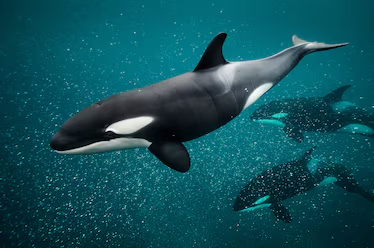
The orca (Orcinus orca) is the fastest cetacean, capable of reaching speeds of up to 56 km/h (35 mph). Despite its common name, the killer whale is actually the largest species of dolphin. Its streamlined body, powerful tail flukes and exceptional strength allow it to accelerate rapidly and hunt some of the ocean's fastest and largest prey, including tuna, seals and even great whales. As an apex predator found in every ocean, the orca combines remarkable speed, intelligence and teamwork, making it one of the most successful hunters on Earth.
The whole 'family' (technically an infraorder)
The are 94 species of cetacean, 12 of which are considered endangered or critically endangered by the International Union for Conservation of Nature (IUCN). These are highlighted in red below.
One species - the Yangtze River Dolphin (Baiji) was declared 'functionally extinct' in 2007. It is considered the first cetacean species to be driven to extinction by human activity.
Baleen Whales - 15
- Bowhead whale (Balaena mysticetus)
- North Atlantic right whale (Eubalaena glacialis)
- North Pacific right whale (Eubalaena japonica)
- Southern right whale (Eubalaena australis)
- Pygmy right whale (Caperea marginata)
- Common minke whale (Balaenoptera acutorostrata)
- Antarctic minke whale (Balaenoptera bonaerensis)
- Sei whale (Balaenoptera borealis)
- Bryde’s whale (Balaenoptera brydei)
- Eden’s whale (Balaenoptera edeni)
- Blue whale (Balaenoptera musculus)
- Fin whale (Balaenoptera physalus)
- Omura’s whale (Balaenoptera omurai)
- Humpback whale (Megaptera novaeangliae)
- Grey whale (Eschrichtius robustus)
Sperm whales — 3
- Sperm whale (Physeter macrocephalus)
- Pygmy sperm whale (Kogia breviceps)
- Dwarf sperm whale (Kogia sima)
Beaked whales — 23
- Arnoux’s beaked whale (Berardius arnuxii)
- Baird’s beaked whale (Berardius bairdii)
- Sato’s beaked whale (Berardius minimus)
- Northern bottlenose whale (Hyperoodon ampullatus)
- Southern bottlenose whale (Hyperoodon planifrons)
- Longman’s beaked whale (Indopacetus pacificus)
- Sowerby’s beaked whale (Mesoplodon bidens)
- Andrews’ beaked whale (Mesoplodon bowdoini)
- Hubbs’ beaked whale (Mesoplodon carlhubbsi)
- Blainville’s beaked whale (Mesoplodon densirostris)
- Ramari’s beaked whale (Mesoplodon eueu)
- Gervais’ beaked whale (Mesoplodon europaeus)
- Ginkgo-toothed beaked whale (Mesoplodon ginkgodens)
- Deraniyagala’s beaked whale (Mesoplodon hotaula)
- Hector’s beaked whale (Mesoplodon hectori)
- Strap-toothed whale (Mesoplodon layardii)
- True’s beaked whale (Mesoplodon mirus)
- Perrin’s beaked whale (Mesoplodon perrini)
- Pygmy beaked whale (Mesoplodon peruvianus)
- Stejneger’s beaked whale (Mesoplodon stejnegeri)
- Spade-toothed whale (Mesoplodon traversii)
- Shepherd’s beaked whale (Tasmacetus shepherdi)
- Cuvier’s beaked whale (Ziphius cavirostris)
Monodontids — 2
- Beluga whale (Delphinapterus leucas)
- Narwhal (Monodon monoceros)
Oceanic and coastal dolphins — 39 species
- Commerson’s dolphin (Cephalorhynchus commersonii)
- Chilean dolphin (Cephalorhynchus eutropia)
- Heaviside’s dolphin (Cephalorhynchus heavisidii)
- Hector’s dolphin (Cephalorhynchus hectori)
- Long-beaked common dolphin (Delphinus capensis)
- Short-beaked common dolphin (Delphinus delphis)
- Pygmy killer whale (Feresa attenuata)
- Short-finned pilot whale (Globicephala macrorhynchus)
- Long-finned pilot whale (Globicephala melas)
- Risso’s dolphin (Grampus griseus)
- Fraser’s dolphin (Lagenodelphis hosei)
- White-beaked dolphin (Lagenorhynchus albirostris)
- Atlantic white-sided dolphin (Leucopleurus acutus)
- Northern right whale dolphin (Lissodelphis borealis)
- Southern right whale dolphin (Lissodelphis peronii)
- Irrawaddy dolphin (Orcaella brevirostris)
- Australian snubfin dolphin (Orcaella heinsohni)
- Killer whale or orca (Orcinus orca)
- Melon-headed whale (Peponocephala electra)
- False killer whale (Pseudorca crassidens)
- Peale’s dolphin (Sagmatias australis)
- Hourglass dolphin (Sagmatias cruciger)
- Pacific white-sided dolphin (Sagmatias obliquidens)
- Dusky dolphin (Sagmatias obscurus)
- Guiana dolphin (Sotalia guianensis)
- Indo-Pacific humpback dolphin (Sousa chinensis)
- Indian Ocean humpback dolphin (Sousa plumbea)
- Atlantic humpback dolphin (Sousa teuszii)
- Australian humpback dolphin (Sousa sahulensis)
- Pantropical spotted dolphin (Stenella attenuata)
- Clymene dolphin (Stenella clymene)
- Striped dolphin (Stenella coeruleoalba)
- Atlantic spotted dolphin (Stenella frontalis)
- Spinner dolphin (Stenella longirostris)
- Rough-toothed dolphin (Steno bredanensis)
- Indo-Pacific bottlenose dolphin (Tursiops aduncus)
- Common bottlenose dolphin (Tursiops truncatus)
- Burrunan dolphin (Tursiops australis)
- Australian bottlenose dolphin (Tursiops australis)
River dolphins — 5 species
- Amazon River dolphin or boto (Inia geoffrensis)
- Araguaian River dolphin (Inia araguaiaensis)
- Bolivian River dolphin (Inia boliviensis)
- Ganges River dolphin (Platanista gangetica)
- Indus River dolphin (Platanista minor)
Oceanic and coastal porpoises — 7 species
- Narrow-ridged finless porpoise (Neophocaena asiaeorientalis)
- Indo-Pacific finless porpoise (Neophocaena phocaenoides)
- Harbour porpoise (Phocoena phocoena)
- Vaquita (Phocoena sinus)
- Burmeister’s porpoise (Phocoena spinipinnis)
- Spectacled porpoise (Phocoena dioptrica)
- Dall’s porpoise (Phocoenoides dalli)