Heat, fire, flood, drought and other weather-related impacts
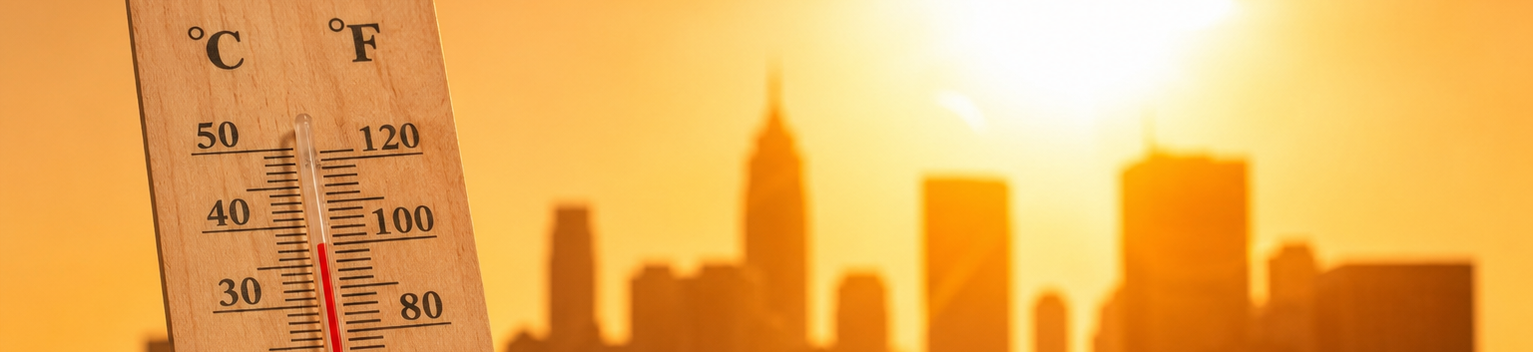
Extreme heat refers to periods of unusually high temperatures which can affect human health, communities, infrastructure and the natural environment. Climate change is increasing the frequency, intensity and duration of heatwaves, exposing more people to potentially dangerous temperatures and making extreme heat an increasing threat in many parts of the world.
Exposure to extreme heat can overwhelm the body’s ability to regulate temperature, causing dehydration, heat exhaustion, heatstroke and death. Hot weather can also worsen existing cardiovascular, respiratory, kidney and mental health conditions, increase the risk of accidents and disrupt sleep. The health impacts may be amplified by poor air quality, high humidity and elevated night-time temperatures which reduce opportunities for recovery.
Although everyone can be affected, risks are greater for older people, infants, pregnant women, outdoor workers, people with underlying health conditions and those living in poorly designed or inadequately ventilated buildings. Social and economic inequalities may increase exposure and limit access to cooling, green space, healthcare and other protective measures.
Education can help individuals, healthcare professionals and organisations recognise heat-related illness, identify those most at risk and prepare for increasingly frequent extreme heat. Healthcare can also support adaptation by developing heat-resilient services, protecting patients and staff, and using trusted voices to promote effective action.